



Prostatitis is an extremely common inflammatory disease of the male urogenital system.The essence of this pathology is an infectious or abacterial inflammation of the prostate.Most often, this disease is diagnosed in men between the ages of 25 and 50.If not treated, erectile dysfunction, infertility, etc.In this article, we will look at the best drugs for prostatitis.
General principles of prostatitis treatment
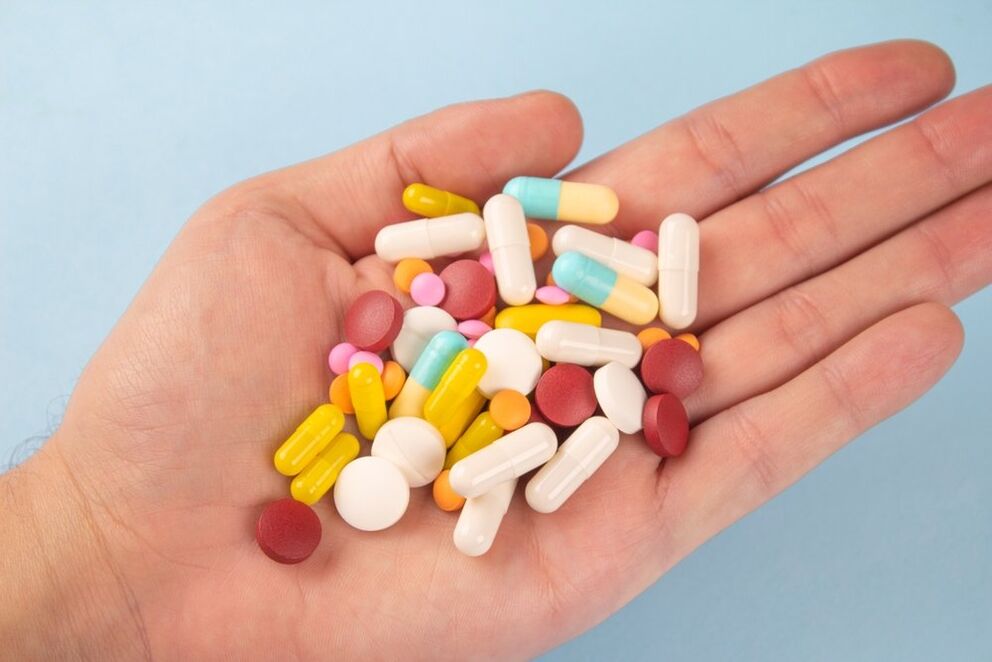
First of all, we note that it is unacceptable to self-medicate inflammation of the prostate.Any medication should only be used as prescribed by a doctor.
If the inflammatory process is bacterial in nature, then antibacterial drugs are used, which are selected depending on the sensitivity of the pathogen.The dosage and duration of antibiotics are also selected individually.
In addition, non-steroidal anti-inflammatory drugs and herbal preparations can be used to relieve inflammation and improve the metabolic processes of the prostate.
In case of complaints of urinary difficulties, alpha-blockers are recommended to restore urodynamics.
Various non-pharmacological methods are also of great importance.First of all, this includes prostate massage, which is performed during a chronic inflammatory process.In addition, the treatment plan is actively supplemented by various physiotherapy procedures, such as laser therapy, electrical stimulation, etc.
Effective drugs
So which drugs have the best effect on prostatitis?
As for antibiotics, fluoroquinolones and macrolides are most often prescribed for inflammation of the prostate, but other groups of antibacterial agents can also be used.
If we are talking about herbal preparations, then a product based on the extract of the fruits of the creeping palm tree can be used.It has an anti-inflammatory, anti-androgenic and anti-exudative effect.This drug is prescribed not only for chronic prostatitis, but also for benign prostatic hyperplasia.
Another herbal preparation is a combination remedy that contains Canadian goldenrod herb, licorice root, St. John's wort herb, rhizomes, and purple echinacea roots.This drug improves microcirculation in the tissue of the prostate, is active against certain bacteria and reduces the severity of inflammation.
Another effective remedy for prostatitis is the suppository, the active ingredient of which is biomass obtained from the larvae of gypsy moth insects.In 2020, scientists from the Kuban State Medical University conducted a study, the results of which confirm the feasibility of using the drug in patients with chronic bacterial prostatitis.
Among the group of alpha-blockers, the most commonly used drug is the one that helps relax the smooth muscle fibers of the bladder neck and prostate, which leads to an improvement in the flow of urine.